


Ear Surgery

Ear surgery is performed for a variety of ear conditions that influence hearing, balance and overall ear function. Surgical treatment can help restore hearing, prevent complications and improve quality of life whether it’s caused by chronic ear infections, a damaged eardrum, hearing loss or other ear disorders. Our experienced ENT surgeons use advanced techniques to provide safe, effective and tailored ear care for children and adults.

What is Ear Surgery?

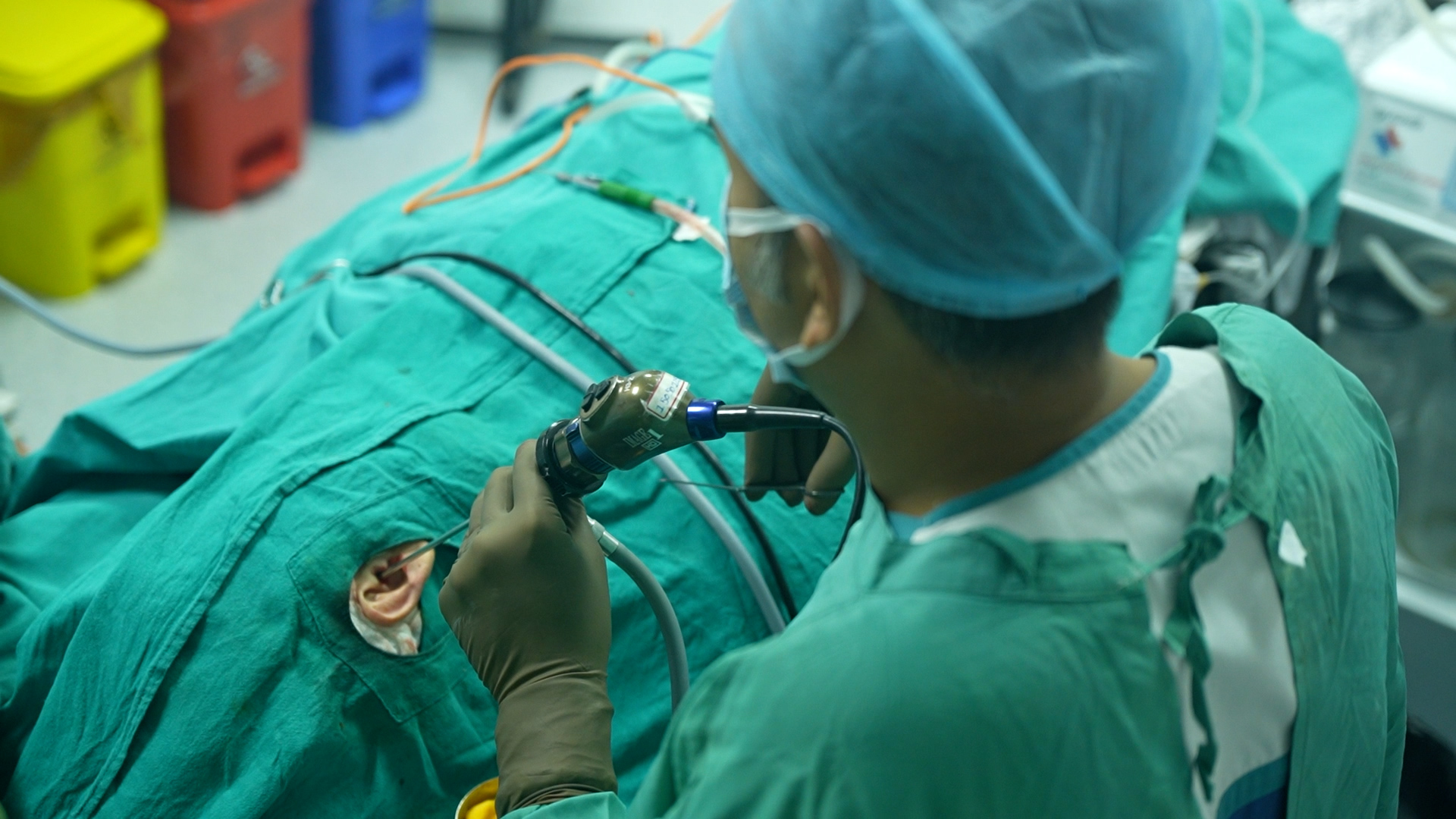
Ear surgery is a general term that refers to the surgical procedures done to treat diseases and abnormalities of the ear. Surgery can include eardrum repair, reconstruction of hearing mechanisms, removal of infections, treatment of cholesteatoma, or correction of structural abnormalities.

The type of surgery recommended depends on the underlying diagnosis and the patient’s specific needs.

Who Needs Ear Surgery?

Who Needs Ear Surgery?

Your ENT specialist may recommend ear surgery if you have:
  • Long-term ear infections
  • Constant ear drainage
  • Perforated (burst) eardrum
  • Conductive hearing impairment
  • Cholesteatoma (growth of skin in the middle ear)
  • Damage to the bones of the ear (ossicles)
  • Recurrent middle ear infection
  • Congenital ear deformities
  • Hearing difficulties that disrupt daily life
  • Trauma or injury to the ear

A comprehensive evaluation will determine if surgery is the best treatment option.

Benefits of Ear Surgery

Improved Hearing

Many ear surgeries help restore hearing and improve communication.

Elimination of Chronic Infections

Removes infection and prevents recurring ear problems.

Repair of Damaged Structures

Restores normal ear anatomy and function.

Prevention of Complications

Protects against further hearing loss and serious ear conditions.

Better Quality of Life

Improves confidence, communication, and daily activities.

Long-Term Ear Health

Promotes healthier ear function and reduces future problems.

Ear Surgery Procedure

1. Consultation & Assessment

The ENT surgeon will discuss the symptoms, examine the ear and may suggest hearing tests or imaging studies.

2. Preoperative evaluation

Medical fitness and surgical planning are done before the procedure.

3. Anaesthesia

Depending on the type of surgery, the procedure can be done under local or general anesthesia.

4. Surgery

The surgeon uses advanced microsurgery techniques to repair, reconstruct or remove diseased tissue.

5. Follow-Up & Recovery

Postoperative care instructions are given, and regular follow-up evaluations are done to assess healing.

Recovery After Ear Surgery

The recovery time will vary depending on the type of ear surgery.

What to Expect:-

  • Mild irritation
  • Temporary alteration in hearing while healing
  • Feeling of fullness or pressure in the ear
  • Some drainage in some instances
  • Symptoms improve gradually

Recovery Timeline:

  • Many procedures allow you to go home the same day
  • Return to normal activities in a few days
  • Complete healing may be weeks
  • Hearing may continue to improve as the ear heals

Following your surgeon’s instructions is important for the best possible recovery.

Why Choose Our ENT Clinic?

  • Experienced ENT Surgeons
  • Advanced Diagnostic Equipment
  • Safe & Modern Surgical Techniques
  • Child-Friendly Care Environment
  • Comprehensive Pre- & Post-Operative Care
  • Personalized Treatment Plans
  • Patient Safety & Comfort as Top Priorities
We are committed to delivering effective treatment and excellent clinical outcomes.

Before & After Ear Surgery

Before Surgery
  • Recurring ear infections
  • Persistent ear discharge
  • Hearing difficulties
  • Ear pain or pressure
  • Ruptured eardrum
  • Reduced quality of life
After Surgery
  • Better hearing
  • Improved ear health
  • Less infection
  • Communication improved
  • More comfortable
  • Better general wellbeing

Need More Information?

Frequently Asked Questions About ENT Care

Helping you make informed decisions about your ENT care.

Ear surgery may be performed for treatment of chronic ear infections, perforated eardrum, cholesteatoma, hearing loss, fluid build-up and structural abnormalities of the ear.
Yes. Grommet insertion and eardrum repair are common procedures in children when medically indicated.
The time required for this depends on the type of procedure and can range from 30 minutes to a few hours.