
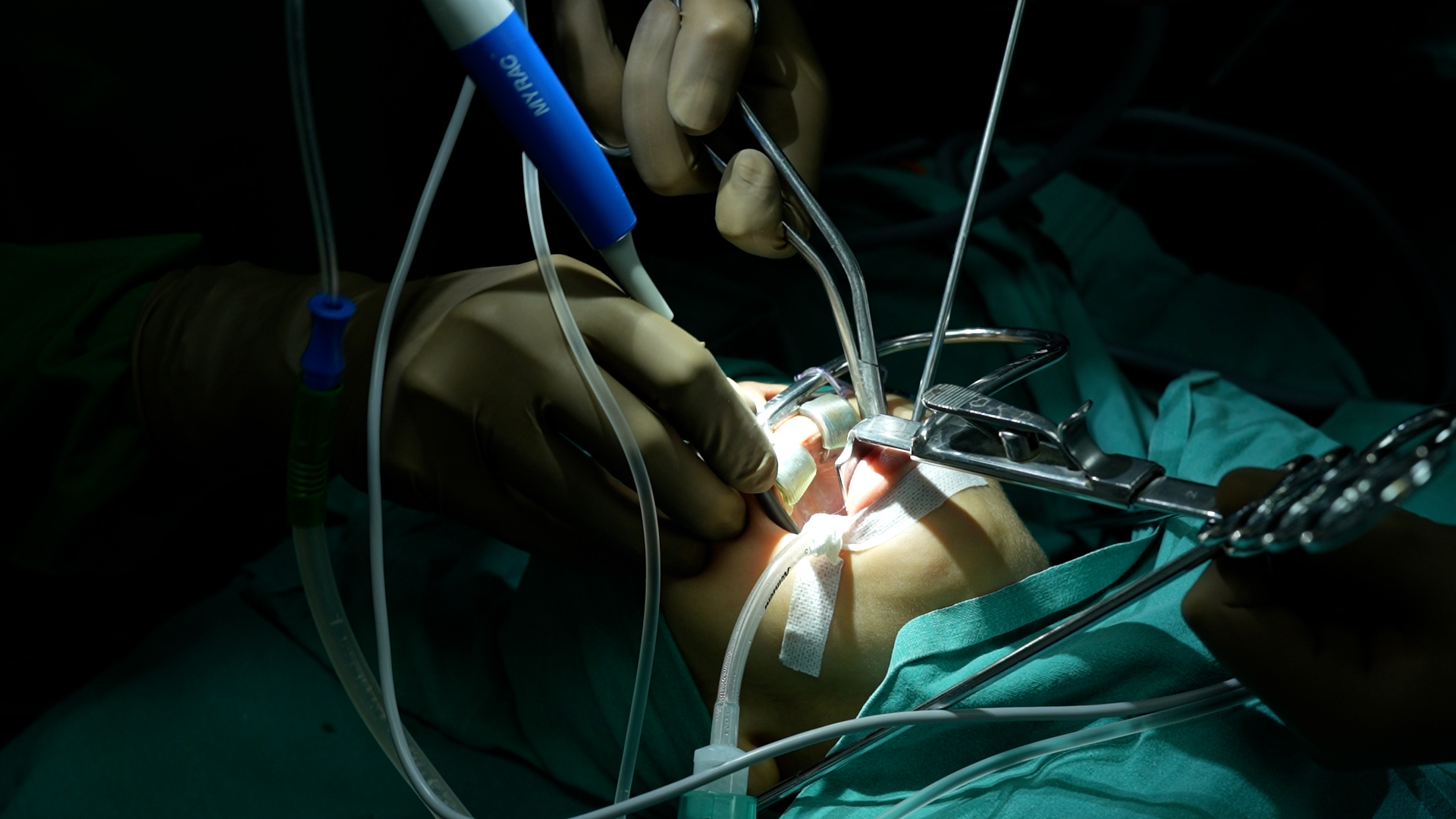




Coblation Tonsil Surgery (Coblation Tonsillectomy) is a state-of-the-art surgical procedure that uses controlled radiofrequency energy to remove the tonsils. Conventional electrocautery techniques generate high heat, whereas coblation is a low-temperature technique that causes less damage to surrounding tissues.
It is frequently employed in the management of recurrent tonsillitis, tonsillar hypertrophy and sleep-disordered breathing.
If you are experiencing: Your ENT specialist may recommend Coblation Tonsillectomy.
A thorough exam by an ENT specialist will help determine if tonsillectomy is the best treatment option.
Lower temperature technology causes less damage to surrounding tissues.
Most patients recover faster than with standard tonsil surgery.
Coblation technology is intended to reduce blood loss during surgery.
Relieves airway obstruction due to enlarged tonsils.
Reduces snoring and sleep disordered breathing.
Eliminates repeated tonsil infections and chronic throat problems.
Enhances overall comfort, sleep, and daily functioning.
The ENT surgeon takes a complete history and performs a detailed examination of the patient.
The procedure is performed under general anesthesia for patient comfort.
The tonsils are carefully excised using a specialized coblation device, minimizing heat-induced tissue damage.
The surgeon ensures complete hemostasis before completing the procedure.
Patients are observed for a short period and then discharged based on recovery status.
Duration: The procedure usually takes 20–45 minutes.
1. Preoperative Assessment
The ENT surgeon takes a complete medical history and performs a detailed examination to assess the patient’s condition and suitability for surgery.
2. Administration of Anesthesia
The procedure is performed under general anesthesia to ensure maximum comfort and safety.
3. Tonsil Removal Using Coblation Technology
The tonsils are carefully removed using a specialized coblation device, which minimizes heat-related damage to surrounding tissues.
4. Bleeding Control
The surgeon ensures complete hemostasis and controls any bleeding before concluding the procedure.
5. Recovery Monitoring
Patients are monitored for a short period after surgery and are usually discharged on the same day.
Procedure Duration: The surgery typically takes 20–45 minutes.
Our goal is to provide effective treatment with faster recovery and the best possible patient outcomes.
Helping you make informed decisions about your ENT care.