

Skull Base Surgery is a special type of surgery conducted to reach and treat the problems located at the base of the skull. These conditions may involve the nose, sinuses, brain, cranial nerves, pituitary gland, and adjacent structures.
Endoscopic techniques are now commonly used in modern skull base surgery to allow the surgeon to access tumours and other abnormalities through the nose without the need for large external incisions. Compared to open surgery, this technique is more precise, less traumatic and allows for a quicker recovery.
You may need to have Skull Base Surgery if you have:
Multidisciplinary assessment helps to decide on the right surgical approach.
Allows precise treatment of complex tumours and abnormalities.
Many procedures can be done through the nose without external incisions.
Keeps tissues and vital structures in good health.
Patients often have shorter hospital stays and faster recoveries.
Preserve vision, hearing, facial movement, and neurological function as far as possible.
Improves overall health and day-to-day functioning. Reduces symptoms.
Uses high-definition endoscopes, image-guided navigation, and specialised surgical tools.
The specialist assesses the symptoms, medical history, imaging studies, and diagnostic reports.
CT Scans, MRI Scans, and other investigations help to map the exact location and extent of the condition
A multidisciplinary team may work together to create a tailored treatment plan.
It is done with the patient under general anaesthesia
Depending on the condition, the surgeon may employ:
The patient is closely monitored to ensure a safe recovery and get the best results.
The duration of surgery depends upon the complexity and location of the condition.
Recovery depends on the procedure and condition being treated.
Our team is committed to delivering cutting-edge care for complex skull base conditions with an emphasis on safety, precision and long-term results.
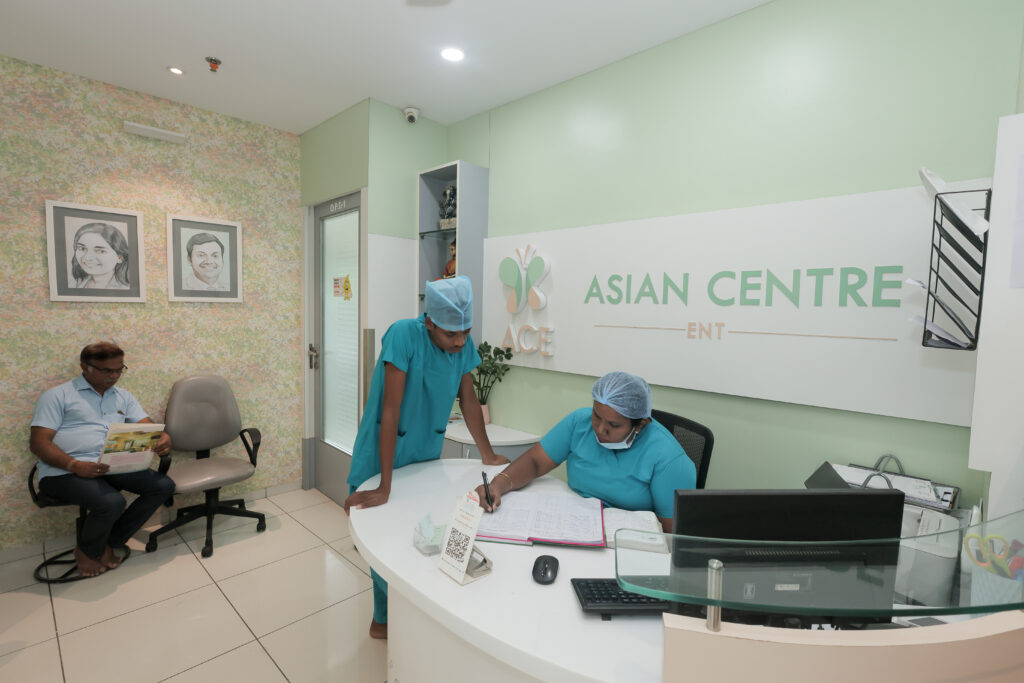
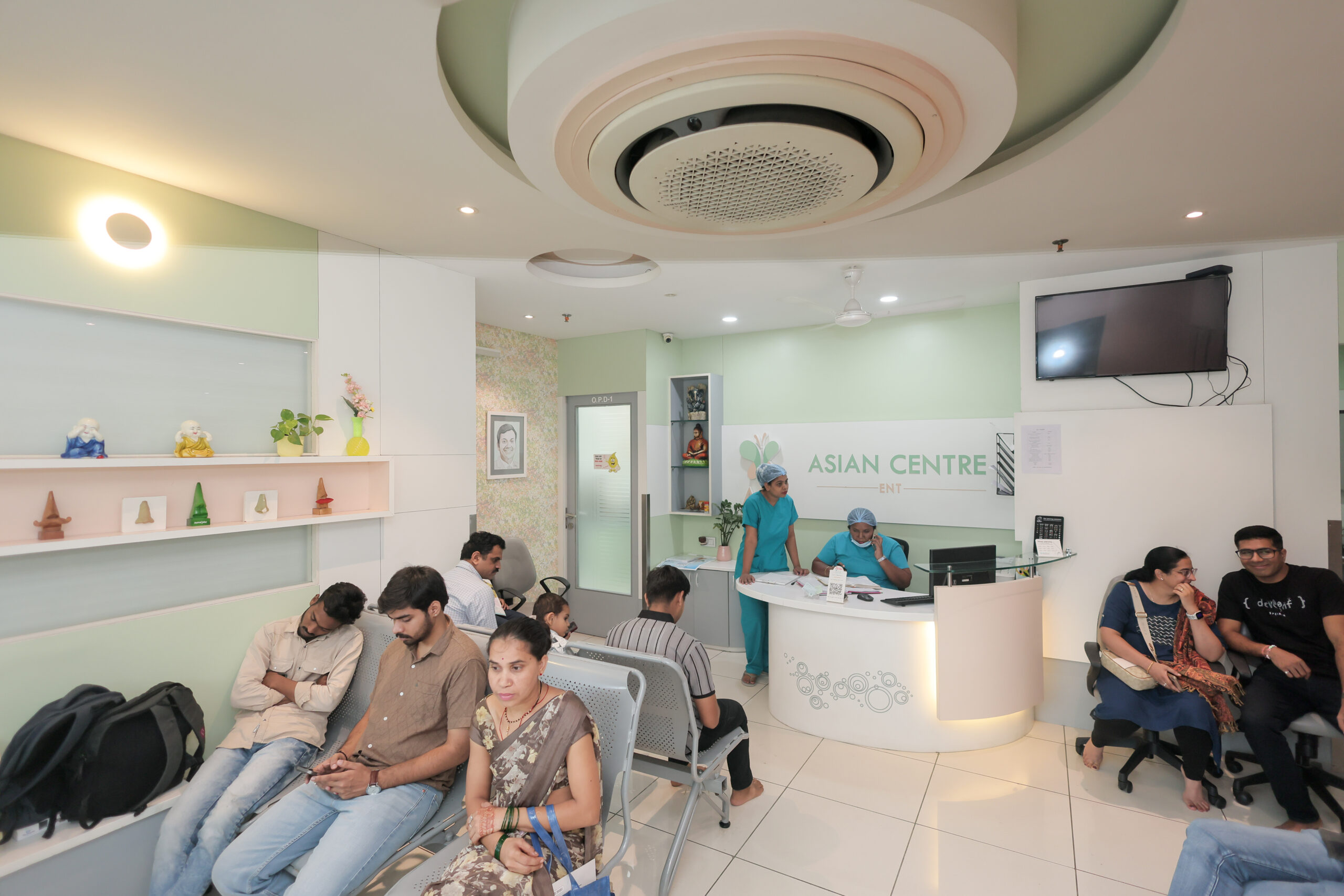
Helping you make informed decisions about your ENT care.
Our goal is to deliver quality of care in a courteous, respectful, and compassionate manner. We hope you will allow us to care for you and strive to be the first and best choice for your family healthcare.
Our goal is to deliver quality of care in a courteous, respectful, and compassionate manner. We hope you will allow us to care for you and strive to be the first and best choice for your family healthcare.